
Certified game balls. Real practice reps. Built for every level.
From NFHS-stamped game balls to machine-ready training balls and team autograph keepsakes — find the exact ball your league, program, or player needs.
Not sure which ball you need?
Answer engines and shoppers both ask this first — so we answer it first. Tap your level to jump straight to the right lineup.
Which baseball do I need for my league?
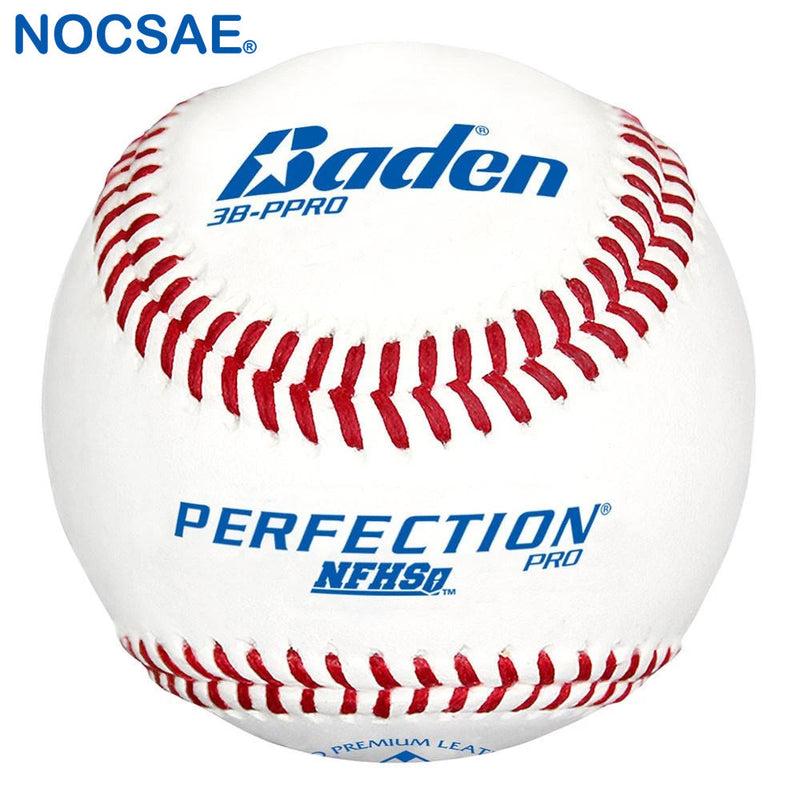
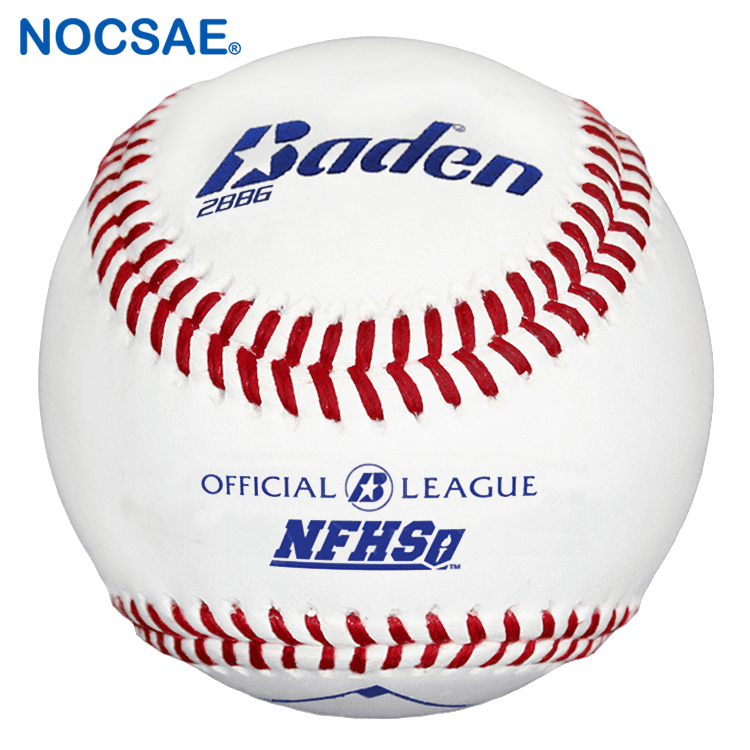
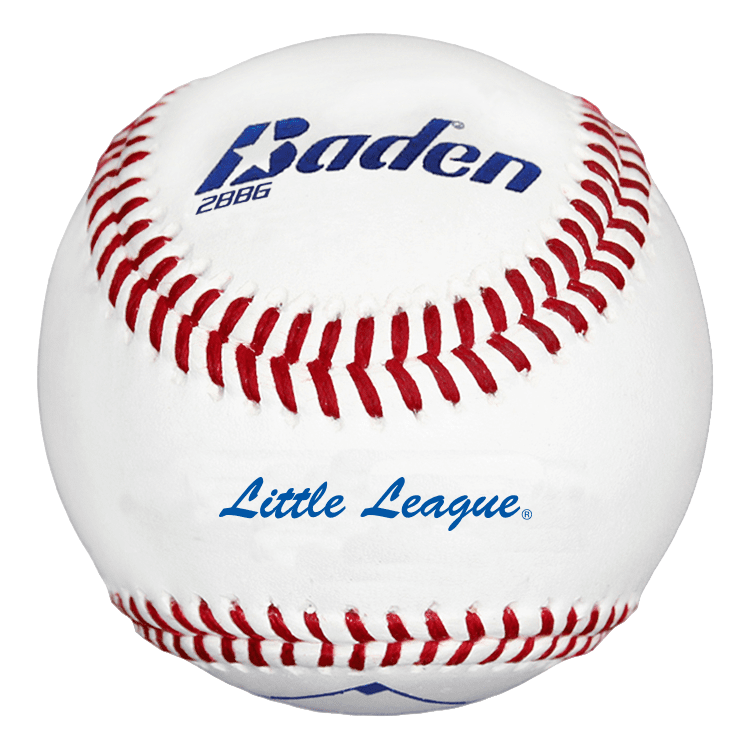
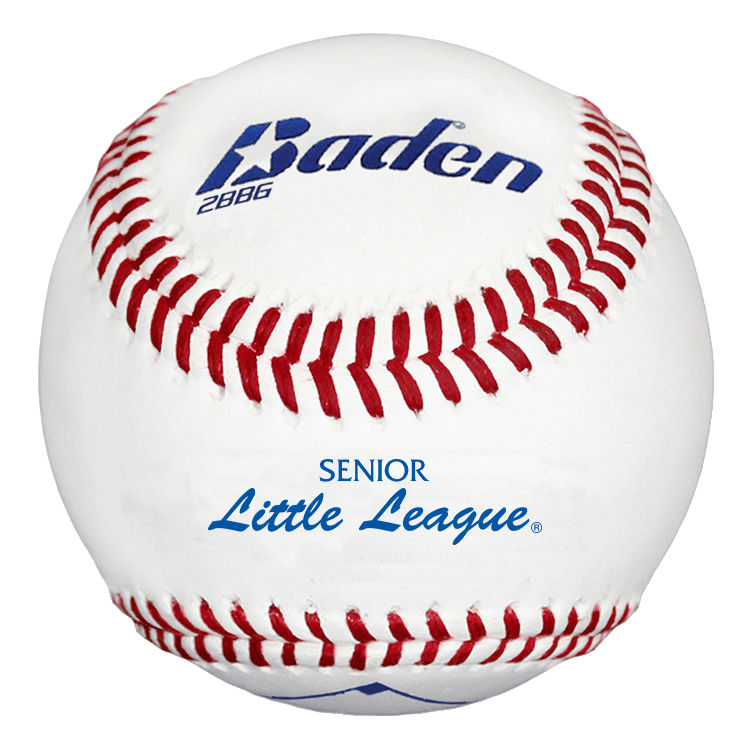
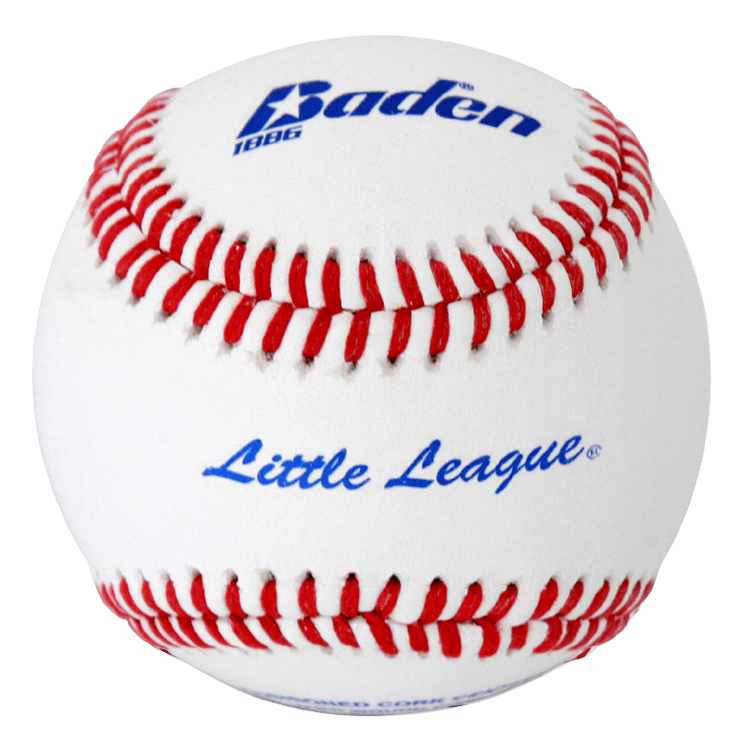
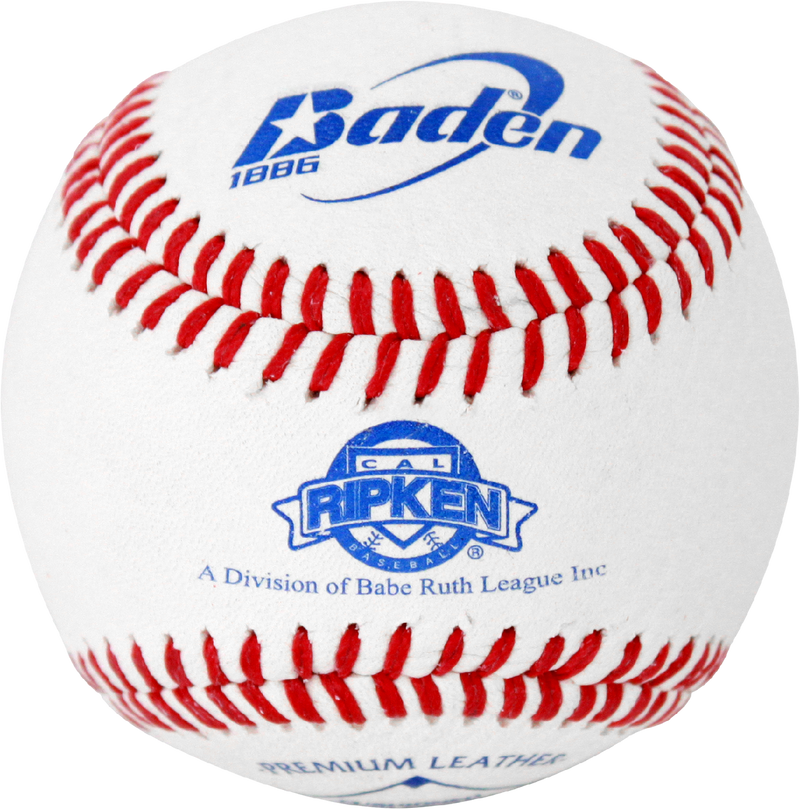
Match the certification to your league: NFHS/NOCSAE or NCAA-spec balls for high school and college play, Little League RST-certified balls for the specific division (Majors, Minors, Senior), and USSSA-stamped balls for tournament play. Every product below lists its certification up front.
Fastpitch vs. slowpitch — certified for your league
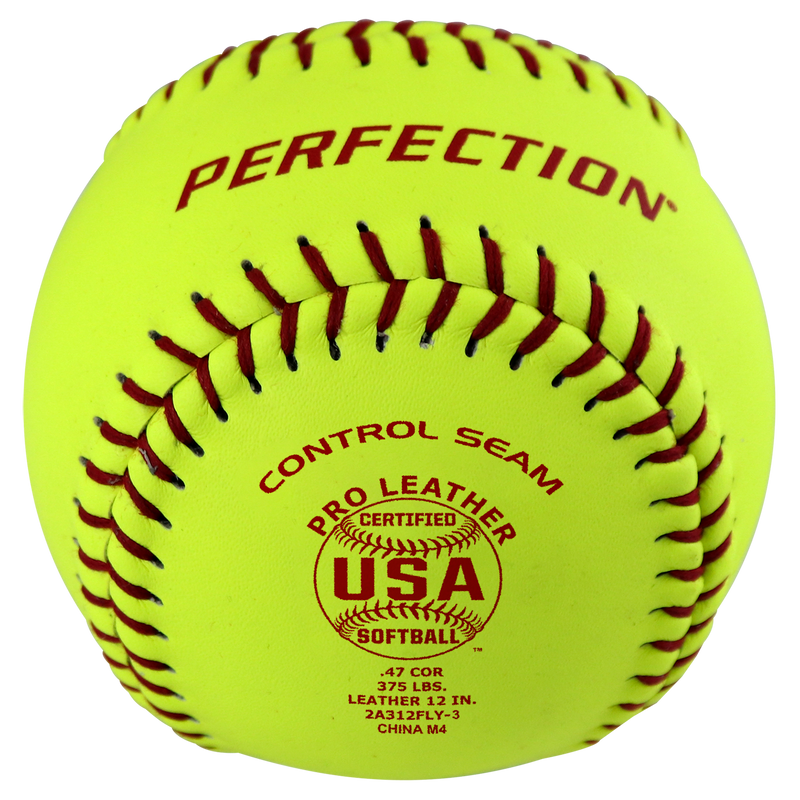
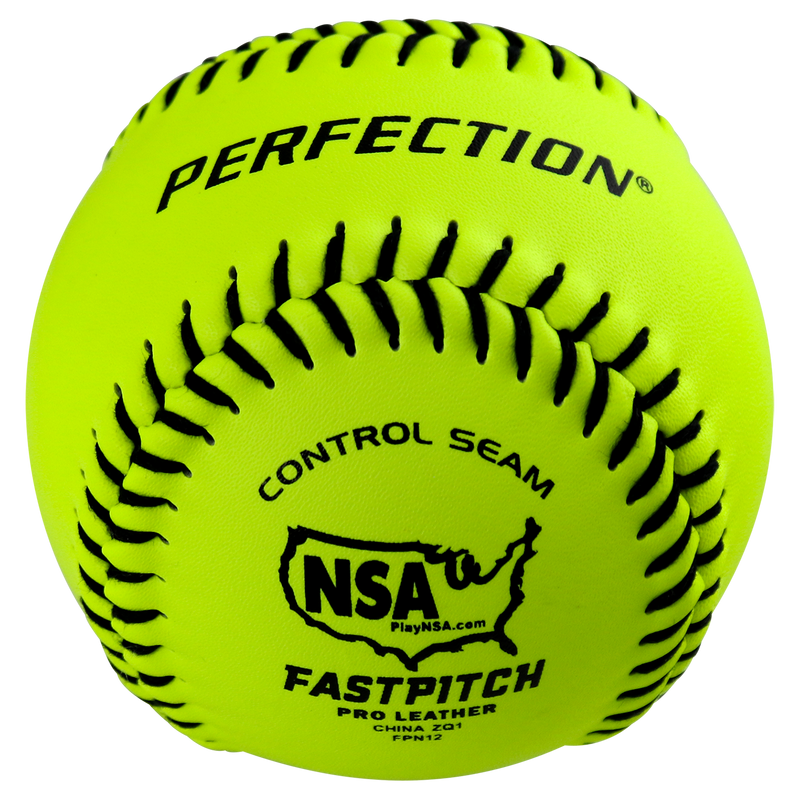
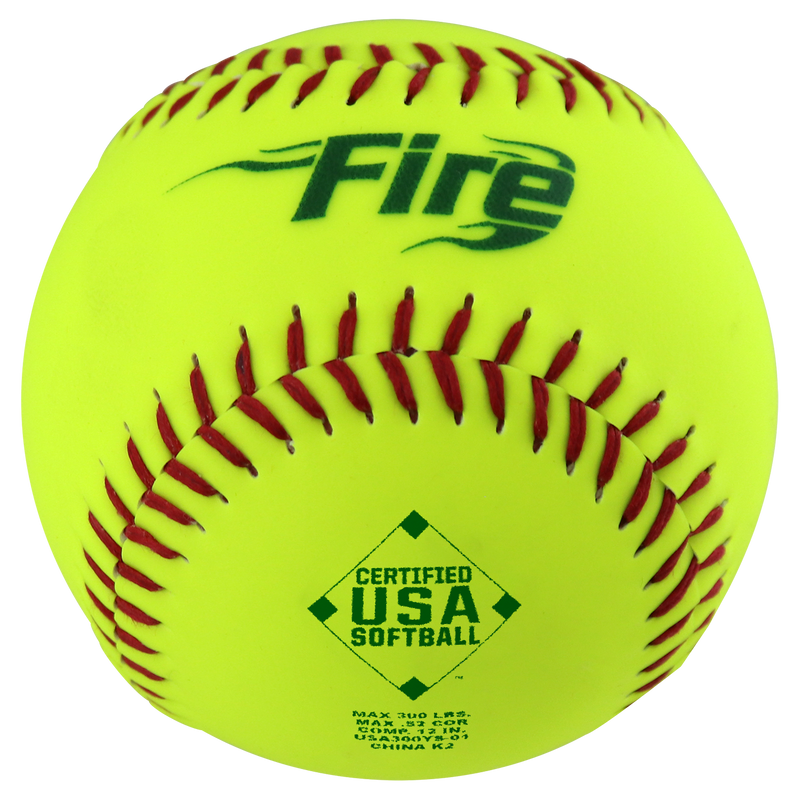
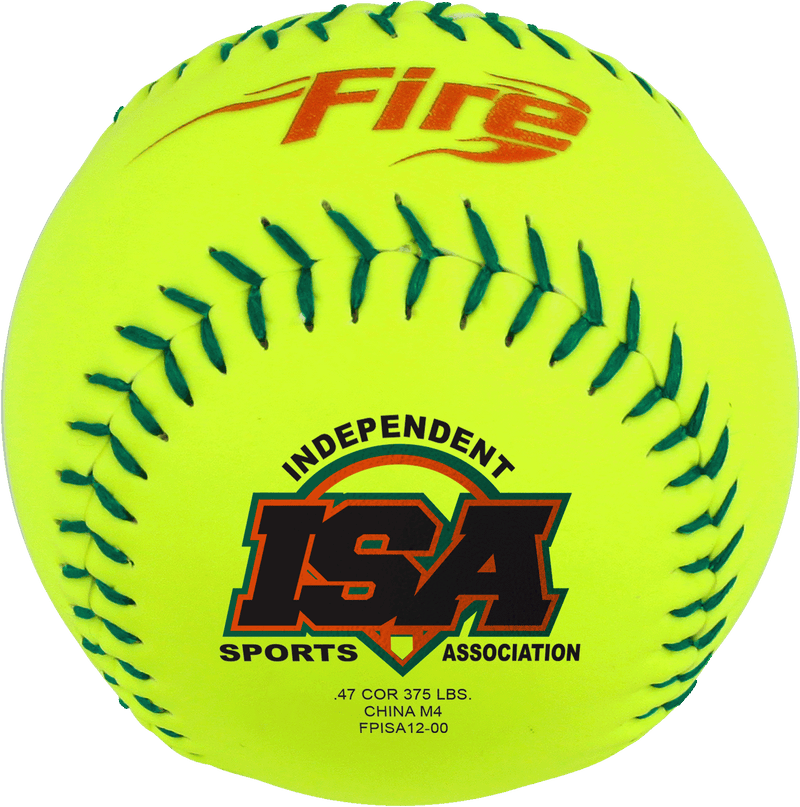
USA Softball, NSA, and ISA use different compression standards — USA Slowpitch is .52 COR / 300 lb, ISA Slowpitch is .44 COR / 400 lb, and NSA/USA Fastpitch balls run .47/375. They are not interchangeable, so match the stamp to what your league requires.
Practice baseballs — durable reps, every day
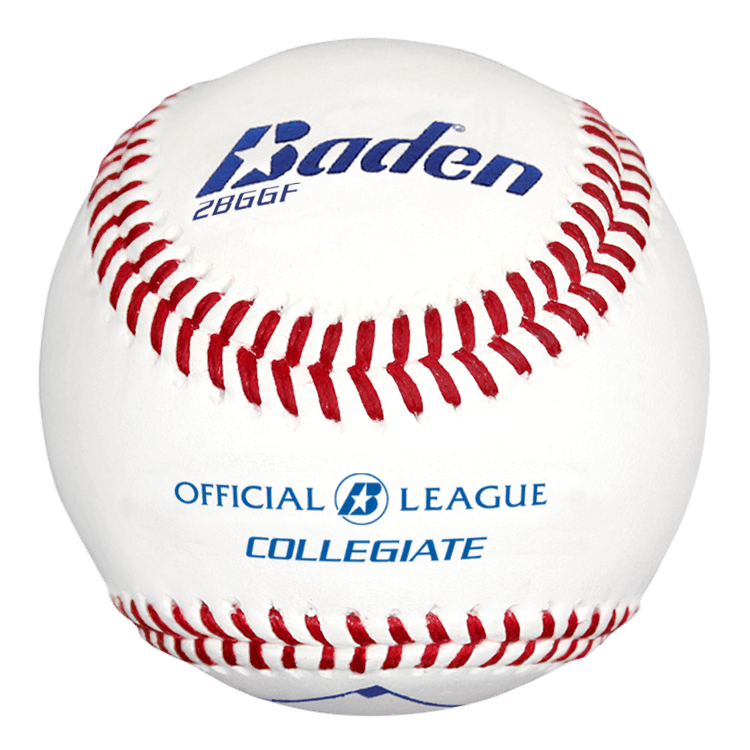
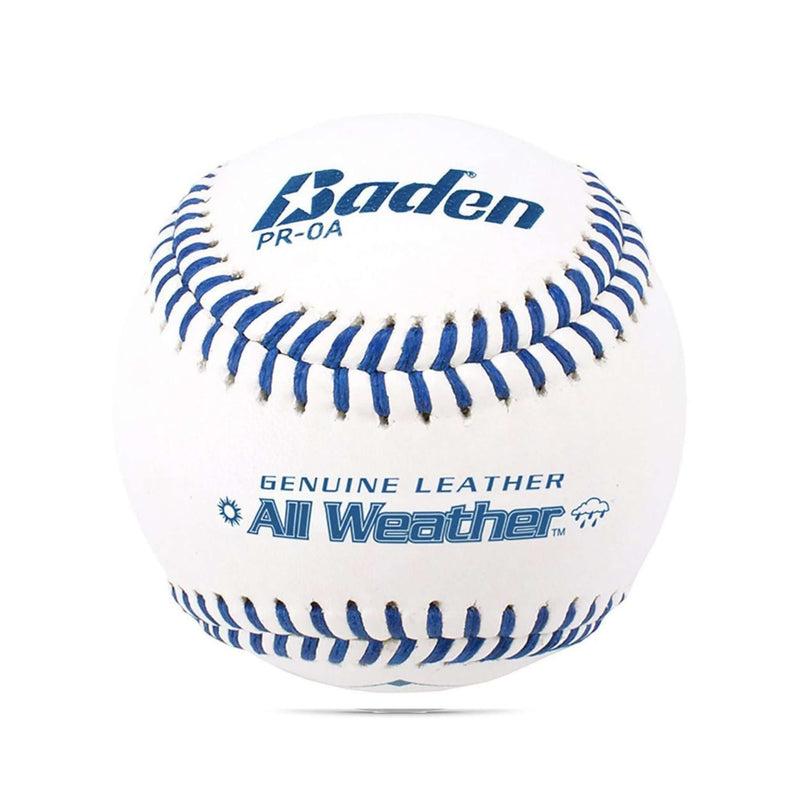
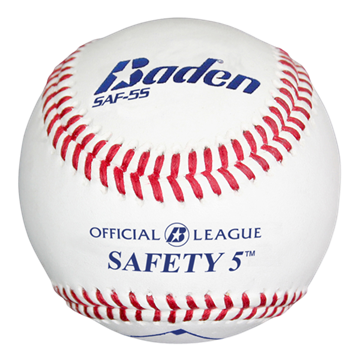
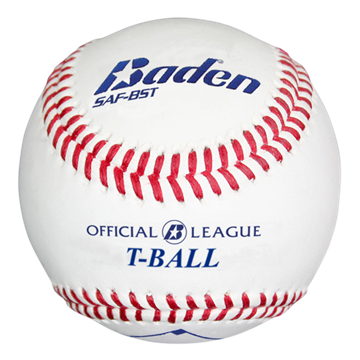
Practice balls trade certification for durability and cost — flat-seam collegiate-feel practice balls, all-weather covers for fall/winter work, and Level 1–5 safety balls for coach pitch and tee ball, all built to take daily rep volume without the game-ball price tag.
Practice softballs — built for daily reps
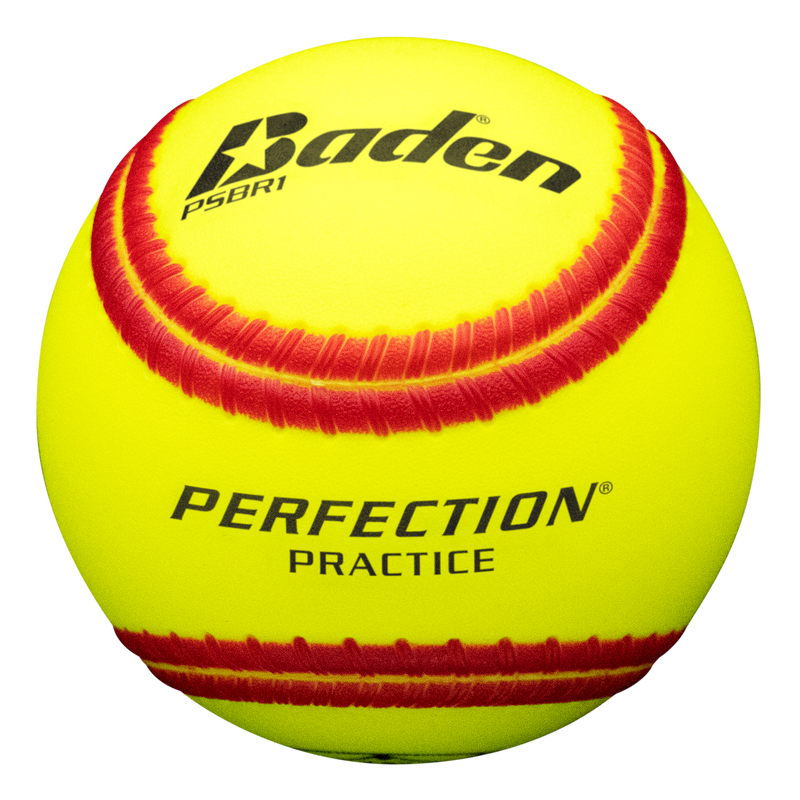
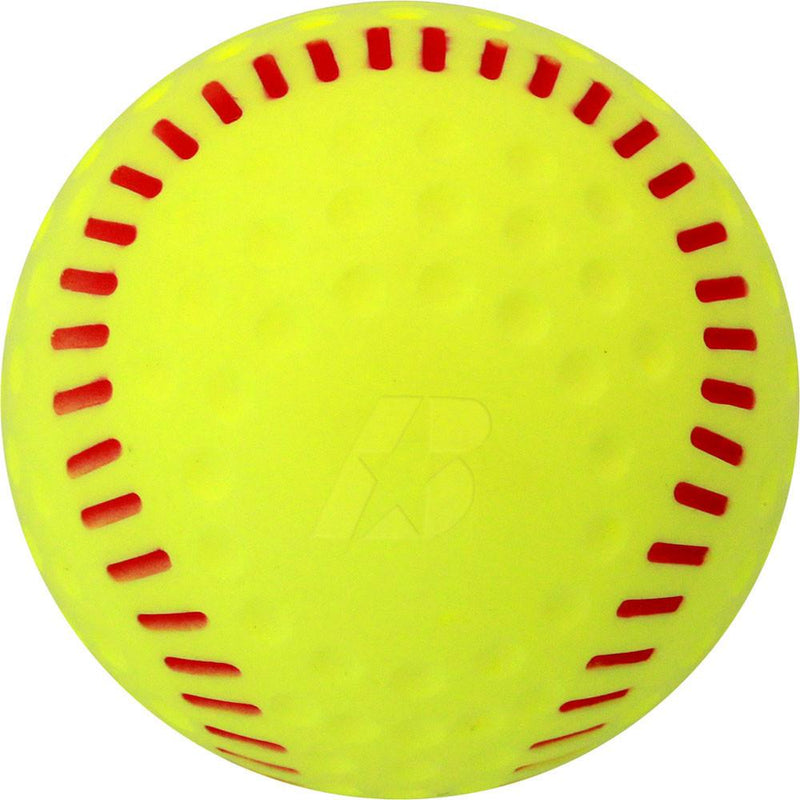
CoreGuard-covered practice softballs hold game-like raised seams through daily fastpitch practice, so hitters see true spin without burning through certified game balls.
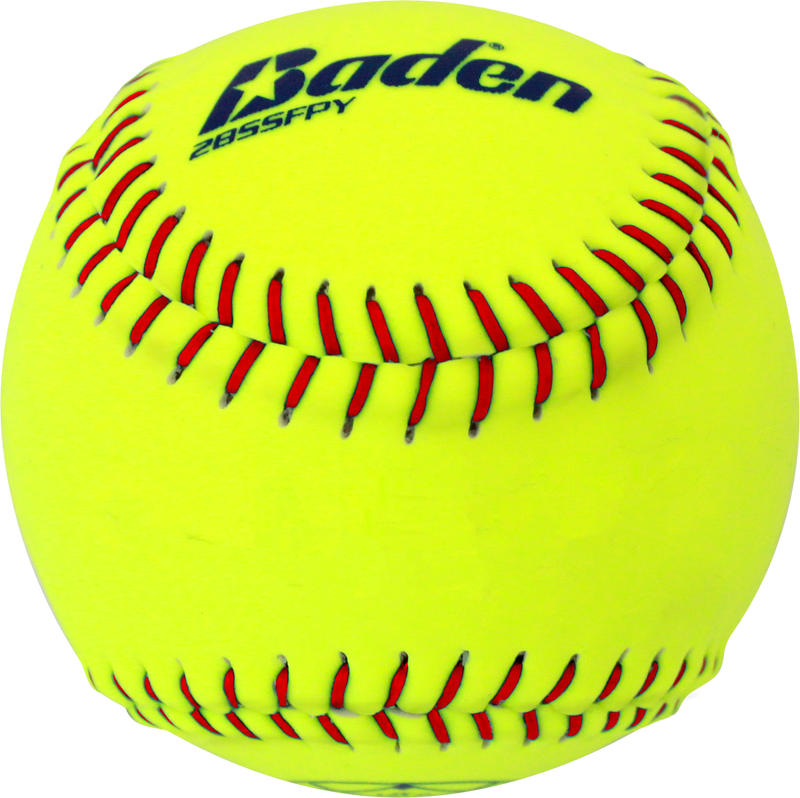
Training balls — machine, cage & hitting reps
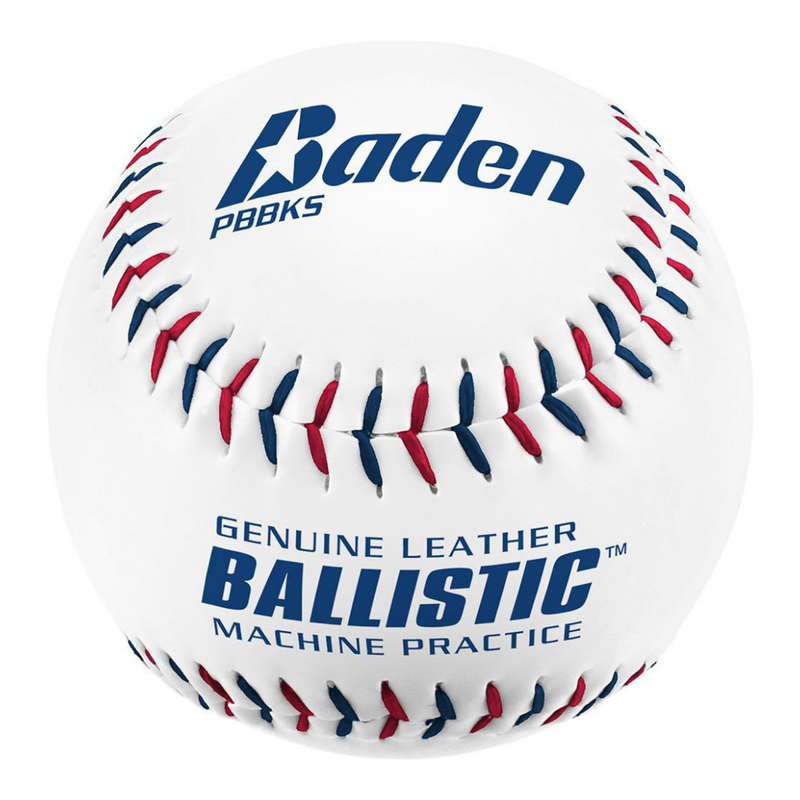
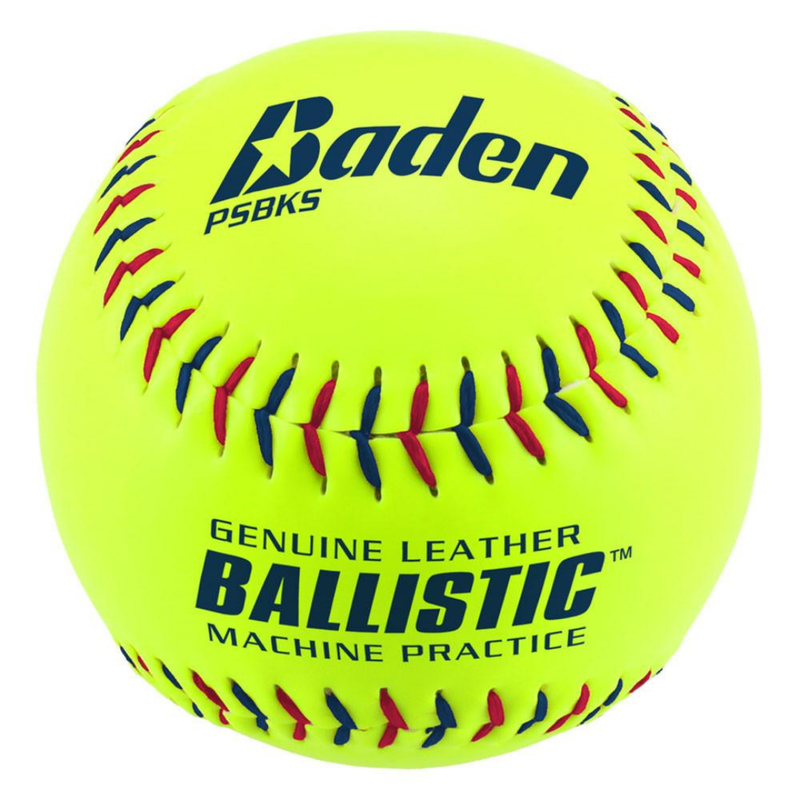
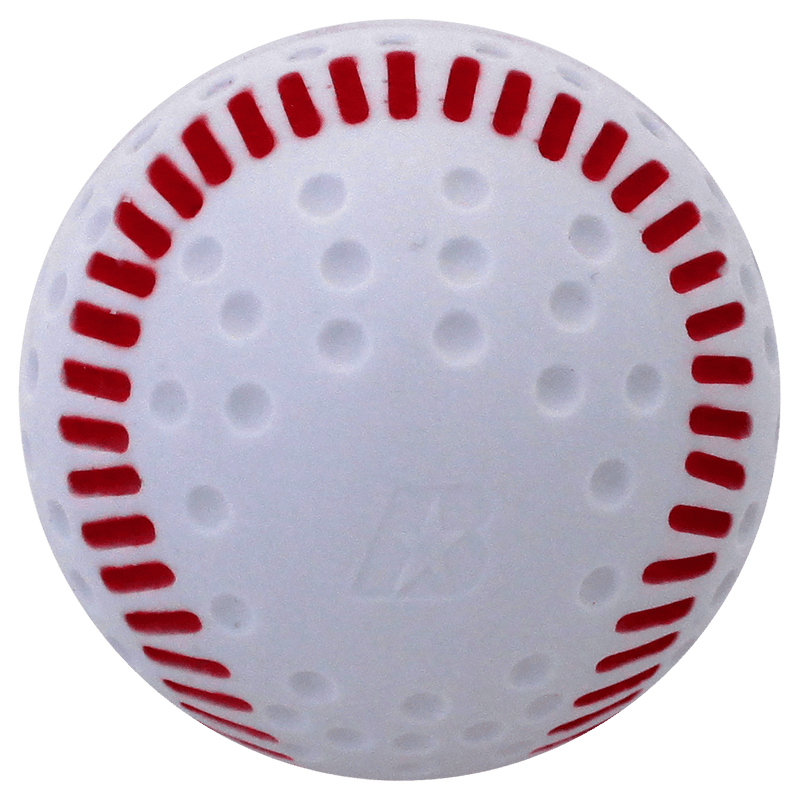
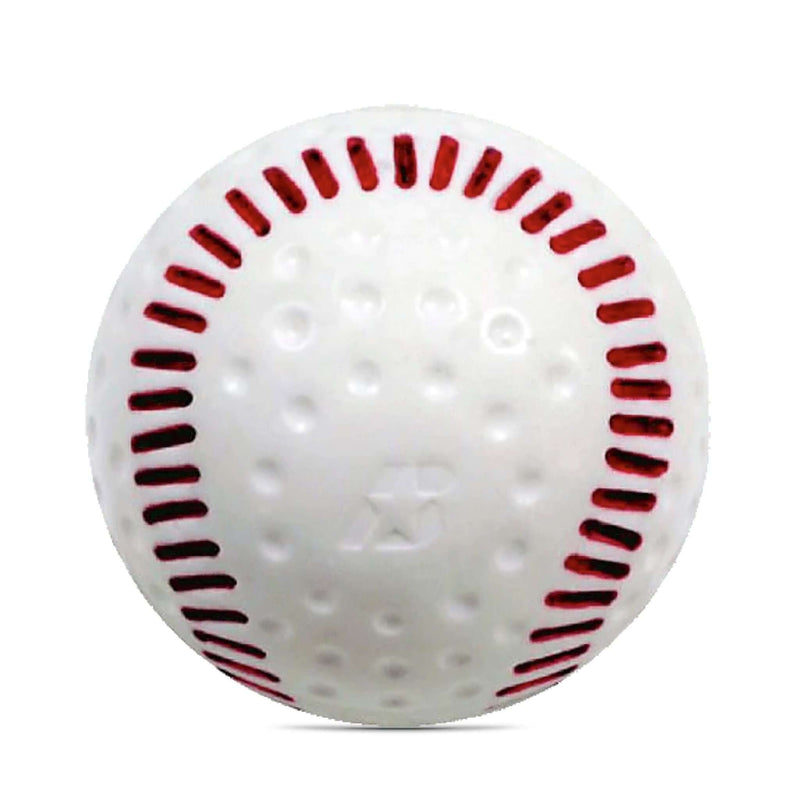
Built to survive repetition, not certified for game play. Ballistic balls use a Kevlar seam for pitching-machine work (with a waterproof one-piece Fastpitch version for wet cages), Seamed Pitching Machine balls use inset seams for consistent machine feed, and Featherlite/Axe Bomb balls are lightweight for high-rep soft toss and BP.
Autograph balls — for signing, not swinging
Blank-panel, synthetic leather baseballs and softballs built for team signing nights, coach appreciation gifts, senior night, and championship keepsakes. Not intended for game or practice use.
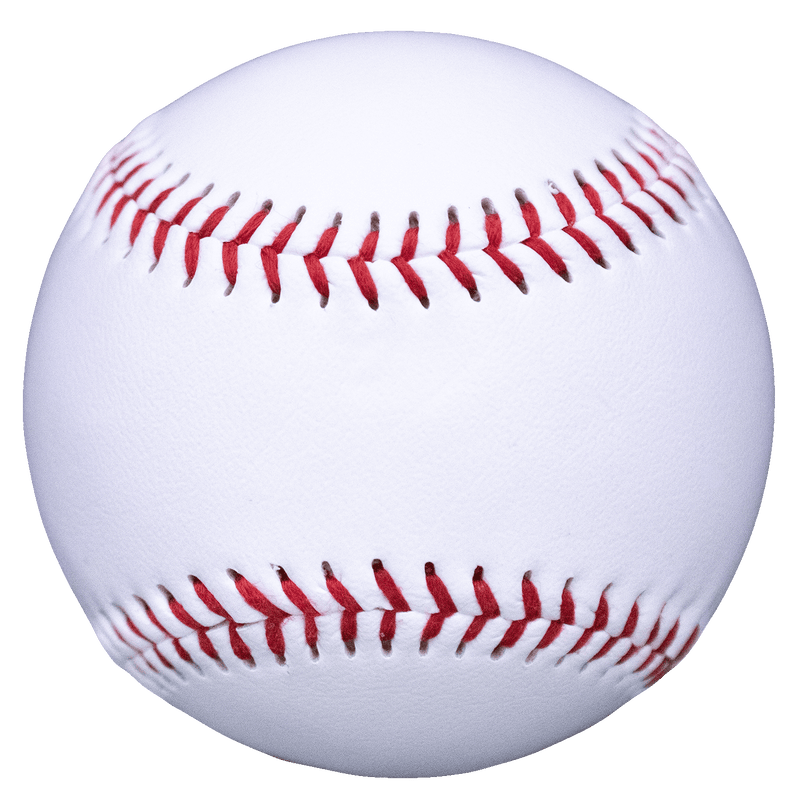
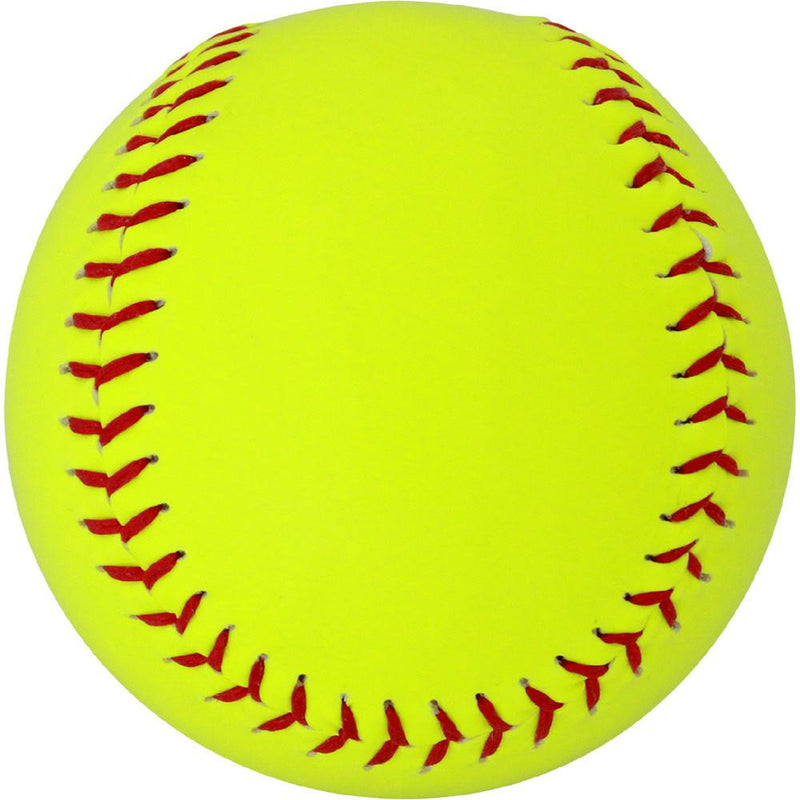
Buying guide: Game vs. Practice vs. Training vs. Novelty
A quick-reference comparison — built as a straight answer for shoppers and search/AI assistants alike.
↔ Swipe to see all columns on mobile
| Category | Best for | Certification | Typical price / dozen |
|---|---|---|---|
| Game Baseballs | Sanctioned league & tournament play | NFHS, NOCSAE, NCAA, Little League RST, USSSA | $70–$119 |
| Game Softballs | Sanctioned fastpitch & slowpitch play | USA Softball, NSA, ISA | $87–$108 |
| Practice Baseballs | Daily reps, BP, coach pitch & tee ball | Not game-certified | $44–$81 |
| Practice Softballs | Daily fastpitch practice reps | Not game-certified | ~$87 |
| Training Balls | Pitching machines, cage work, soft toss | Not game-certified | $50–$108 |
| Novelty & Team Gifts | Autographs, keepsakes, team gifts | Not for play | $38–$49 |
Frequently asked questions
Straight answers to the questions players, parents, and coaches search for most — organized so you can jump to what you need.
Choosing the Right Ball
Which baseball do I need for my league?
Match the certification to your league: NFHS/NOCSAE or NCAA-spec balls for high school and college play, Little League RST-certified balls matched to the specific division (Majors, Minors, Senior), and USSSA-stamped balls for tournament play. Check the certification listed on each product before ordering for league play.
What baseball should I buy?
The best baseball depends on how you'll use it.
- Game Baseballs are designed for official games and league play, offering the highest quality materials and consistency.
- Practice Baseballs are built for batting practice, fielding drills, and bullpen sessions where durability and value matter most.
- Training Baseballs are designed to help players improve specific skills such as hitting, pitching, or defensive development.
If you're purchasing baseballs for league games, always confirm your league's approved ball specifications before buying.
What is the best baseball for batting practice?
For daily batting practice, choose a dedicated practice or training baseball rather than a certified game ball — they hold up to thousands of reps at a much lower cost per swing. If you're feeding a pitching machine, look specifically for Ballistic or Seamed Pitching Machine Baseballs, which use reinforced seams built for machine repetition.
What baseball do high schools use?
High school programs use NFHS/NOCSAE-approved baseballs — look for the NFHS stamp on the product before ordering for varsity or JV play. Many programs also stock a practice-grade ball in similar construction for daily reps.
What baseball do college teams use?
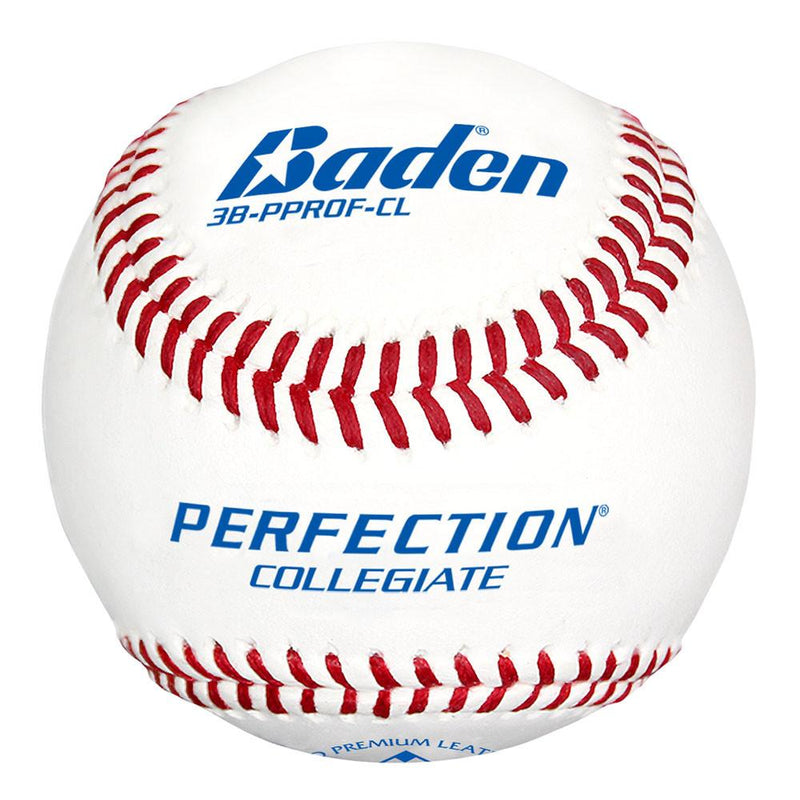
College programs play with NCAA-spec baseballs, typically built with a flat or rolled seam for more consistent flight at the higher exit velocities seen in collegiate play. Confirm the "NCAA Spec" designation on the product page before buying for college-level play.
What baseball is used in Little League?
Little League play requires balls certified Little League RST and matched to the specific division — Majors, Minors (10U), or Senior League — since exact specifications differ by age group. Check the division listed on each product before ordering.
What's the difference between NFHS and NCAA baseballs?
NFHS baseballs are approved for high school competition and commonly use a raised-seam, cushioned-cork-center construction carrying the NFHS/NOCSAE stamp. NCAA baseballs are built to NCAA specifications and typically use a flat or rolled seam, which performs more consistently at the higher bat and pitch speeds seen in college play. Always confirm the exact certification listed on the product before buying for either level.
What baseball should coaches buy for practice?
Most coaches stock practice-grade or training baseballs by the bucket (3–6 dozen) for batting practice and fielding drills, and reserve certified game baseballs for actual games. This keeps game balls fresh and cuts the cost per rep significantly for daily team use.
What's the difference between a game baseball and a practice baseball?
Game baseballs are manufactured to tighter quality standards and are designed to provide the most consistent performance throughout a game. Practice baseballs are made to withstand thousands of repetitions during batting practice, throwing programs, and team workouts while offering excellent value. Although practice baseballs closely resemble game balls, they may use different materials or construction depending on the intended use.
What makes a premium baseball different?
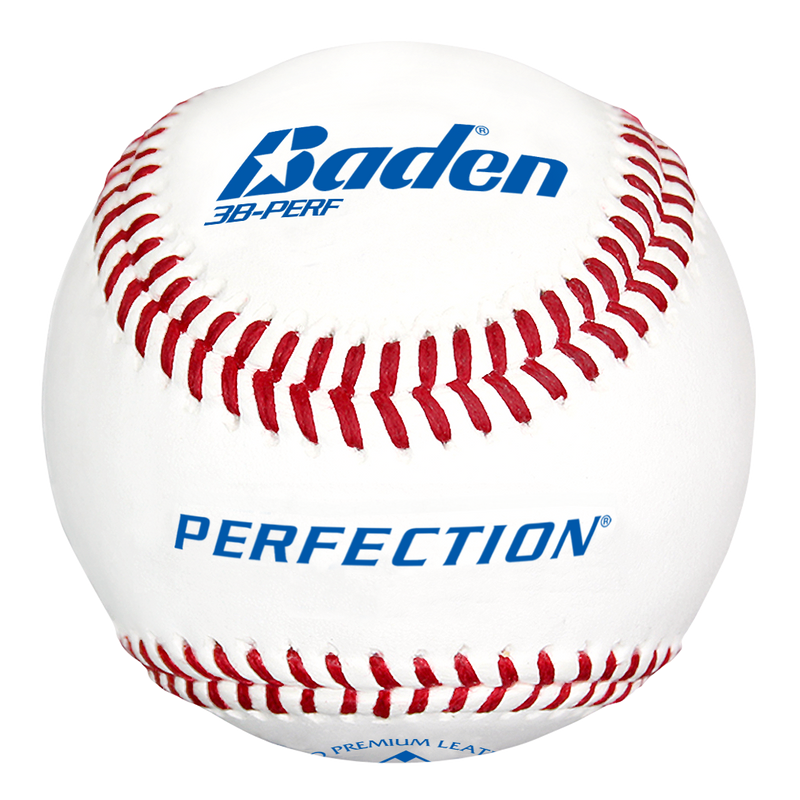
Premium baseballs — like our Perfection line — use a cushioned cork center, genuine leather cover, and tighter manufacturing tolerances than practice or recreational balls. That combination delivers more consistent compression, truer flight, and longer-lasting shape retention over a full season of game use.
Are Baden baseballs approved for league play?
Many Baden baseball models are approved for league, tournament, high school, collegiate, or professional play, depending on the specific model. Always check the product page or your league's equipment requirements to ensure you're selecting the correct baseball for your level of play.
Do you have safety balls for young players?
Yes — Safety Baseballs are Level 5 rated for coach pitch, and Safety T-Balls are Level 1 rated for tee ball, both reduced-impact for early-age play.
What are Autograph baseballs and softballs used for?
Autograph balls are blank-panel, synthetic leather baseballs and softballs built for team signing, coach appreciation gifts, senior night, and championship keepsakes — not for game or practice use.
What's the difference between USA Slowpitch and ISA Slowpitch softballs?
USA Slowpitch softballs are USA Softball certified to .52 COR / 300 lb compression. ISA Slowpitch softballs are ISA approved to .44 COR / 400 lb compression — a different compression standard, not interchangeable. Match the ball to what your league or tournament requires.
Construction & Materials
What is a cushioned cork center?
A cushioned cork center consists of a cork core surrounded by a thin layer of rubber before being wrapped with yarn. This construction helps produce:
- More consistent performance
- Better durability
- Reliable compression
- Improved shape retention
- Consistent flight characteristics
Cushioned cork centers are commonly found in higher-quality game baseballs used from youth baseball through professional levels.
What's the difference between cork & rubber and cushioned cork?
While both use cork as the center material, there are important differences.
Cork & Rubber Center
- Great value
- Excellent for practice
- Durable
- Common in recreational baseballs
Cushioned Cork Center
- Higher-quality construction
- More consistent bounce and flight
- Better long-term durability
- Preferred for competitive game play
What's the difference between leather and synthetic leather baseballs?
Leather Cover
- Better grip
- Longer lifespan
- Preferred for games
- More authentic feel
Synthetic Cover
- Lower cost
- Good for practice
- Easier to clean
- Great for high-volume training
Competitive baseball almost always uses genuine leather-covered baseballs.
What's the difference between raised seams and flat seams?
The seams affect how the baseball performs.
Raised Seam Baseballs
Raised seams provide:
- Better grip
- Easier control
- Increased spin potential
- Better for younger pitchers learning proper mechanics
Flat or Rolled Seam Baseballs
Lower seams provide:
- Less air resistance
- Faster flight
- More consistent performance at higher levels
- Common in high school, college, and professional baseball
Many youth players prefer raised seams because they're easier to grip and throw.
Why do baseball seams matter?
Seams are what a pitcher and fielder grip, and what determines how air moves across the ball in flight. Higher, more textured seams add grip and spin potential — useful for younger players developing mechanics — while lower, flatter seams reduce air resistance for more consistent flight at higher velocities. That's why seam profile changes between youth, high school, and college-level baseballs.
How many stitches are on a baseball?
A regulation baseball has 108 hand-sewn stitches in a double (figure-eight) stitching pattern, traditionally using red waxed thread.
Are all baseballs the same size?
Almost all regulation baseballs used in youth through professional baseball measure:
- Circumference: 9" to 9¼"
- Weight: 5 to 5¼ ounces
Tee balls and some beginner baseballs may use softer construction while maintaining similar dimensions.
What are Ballistic and Seamed pitching machine balls for?
Ballistic balls are built with a Kevlar seam for pitching machine use, and the Ballistic Fastpitch Training version is a waterproof one-piece design for wet-weather cage work. Seamed Pitching Machine balls use inset seams for consistent machine feed. Neither is intended for certified game play — they're built to survive machine repetition.
Care, Storage & Replacement
How long do baseballs last?
The lifespan of a baseball depends on:
- Frequency of use
- Playing surface
- Weather conditions
- Level of competition
- Bat speed
- Storage
Game baseballs should be inspected before every game. Practice baseballs may last for months or even years depending on usage.
How often should game baseballs be replaced?
Game baseballs should be inspected before every game and swapped out at the first sign of scuffing, softness, loosened seams, or discoloration — consistent performance matters more than squeezing extra use out of a ball in certified play. Many programs rotate in a fresh dozen each series and move older, still-solid balls into the practice rotation.
Can baseballs get wet?
Yes — but they shouldn't stay wet. Moisture can affect:
- Leather
- Compression
- Shape
- Grip
- Durability
If baseballs become wet:
- Allow them to air dry naturally.
- Do not place them in a dryer or use direct heat.
- Store them in a cool, dry location.
How should I store baseballs?
For the best performance:
- Store indoors
- Keep them dry
- Avoid extreme temperatures
- Avoid prolonged exposure to sunlight
- Store in a bucket or equipment bag
Proper storage helps maintain compression and extends the life of the baseball.
Can I use game baseballs for batting practice?
Yes, but many coaches reserve game baseballs for games and use practice baseballs for daily workouts. This helps:
- Extend the life of game balls
- Maintain consistent game performance
- Reduce replacement costs
Buying for Teams, Leagues & Age Groups
What baseballs are used in youth baseball?
Most youth leagues use baseballs specifically designed for their age group. The construction may vary based on:
- League rules
- Player age
- Safety requirements
- Competition level
Always purchase the baseball approved by your league or tournament organization.
What's the difference between youth, high school, college, and professional baseballs?
While regulation baseballs share similar dimensions, the construction and league specifications may vary. Higher levels often require:
- Higher-grade leather
- Tighter manufacturing tolerances
- Different seam profiles
- League-specific approvals
Always purchase the baseball specified by your league or governing body.
How many baseballs should I buy?
A good starting point is:
- Individual player: 12 baseballs
- Family backyard practice: 12–24 baseballs
- Coach or team: 2–5 dozen baseballs
- Batting practice bucket: 3–6 dozen baseballs
Having more baseballs means less time collecting balls and more time training.
What baseballs do travel teams use?
Most travel organizations use league-approved game baseballs that meet the specifications required by their sanctioning body. Tournament directors often specify:
- Brand
- Compression
- Seam type
- Cover material
- League approval
Always verify tournament requirements before purchasing.
Stock the dugout.
The Axe Premium Ball Bucket holds 3 dozen baseballs — the practice-day companion for every category above.